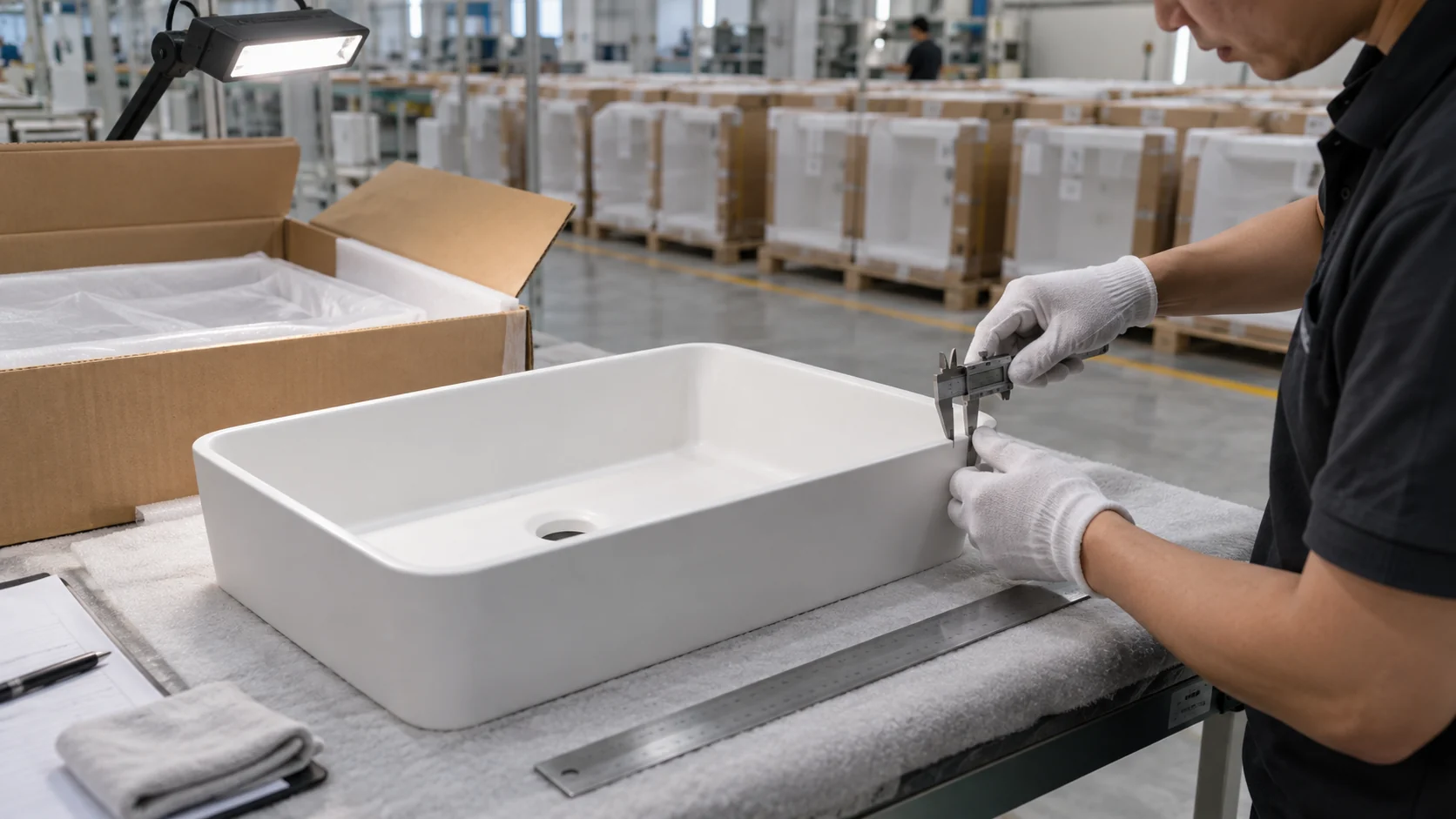
Inspection works best when it answers a defined question: does this shipment match the approved order? A vague request to check quality invites subjective decisions. A useful plan ties every check to a drawing, sample, purchase order, packing instruction, or agreed limit.
Freeze the reference set
Before inspection, collect the signed drawing, approved sample record, finish reference, purchase order, packing specification, and latest change list. Resolve conflicting versions.
Give the inspector the same files used by production. A beautiful report is not useful if it checks an obsolete revision.
Define the lot and sampling method
List models, colors, sizes, quantities, carton counts, and production batches. Decide with the buyer or inspection provider how units will be selected and what requires full checking.
The appropriate sampling and acceptance method depends on contract, risk, market, and order size. Do not invent limits after a defect is found.
Inspect appearance under consistent light
Check visible surfaces for color variation, contamination, marks, chips, repairs, edge quality, and finish consistency under a stable light source. Compare with the approved reference.
Photograph both acceptable and questionable findings with model identification. Close-ups alone should be paired with a full-product view.
Verify dimensions and interfaces
Measure the dimensions that affect installation: overall size, bowl position, drain opening, tap holes, overflow, mounting points, and critical thicknesses.
Use calibrated or verified tools appropriate to the tolerance. Record actual readings rather than writing dimension okay.
Review packing as part of the product
Open selected cartons and confirm bag, foam, corner protection, accessories, labels, carton marks, orientation, and pallet arrangement where used.
Then repack the inspected units correctly. An inspection that damages the protective system creates a new risk.
Close findings before release
Classify findings against agreed criteria, identify affected quantities, and document correction or disposition. New photos should show the corrected condition, not merely repeat the promise.
QINGDA quality assurance can support order records, while final release follows the buyer's contract and inspection requirements.
Share the purchase order, approved drawing, sample record, inspection criteria, packing instruction, and shipment deadline before arranging inspection.